User blogs
Tag Search
Tags

Oxford Considers Ban on LED Rope Lights Around Stores
The Oxford Board of Aldermen is considering an ordinance amendment that would disallow commercial businesses from using rope lighting around their buildings.To get more news about led neon strip light, you can visit htj-led.com official website.
The Board heard the first reading of the proposed ordinance change on Tuesday during their regular meeting.
Rope lighting, also known as fiber-optic cable lighting, is made up of tiny lights, available in either incandescent or LED bulbs, spaced about an inch apart and surrounded by clear, flexible PVC tubing.
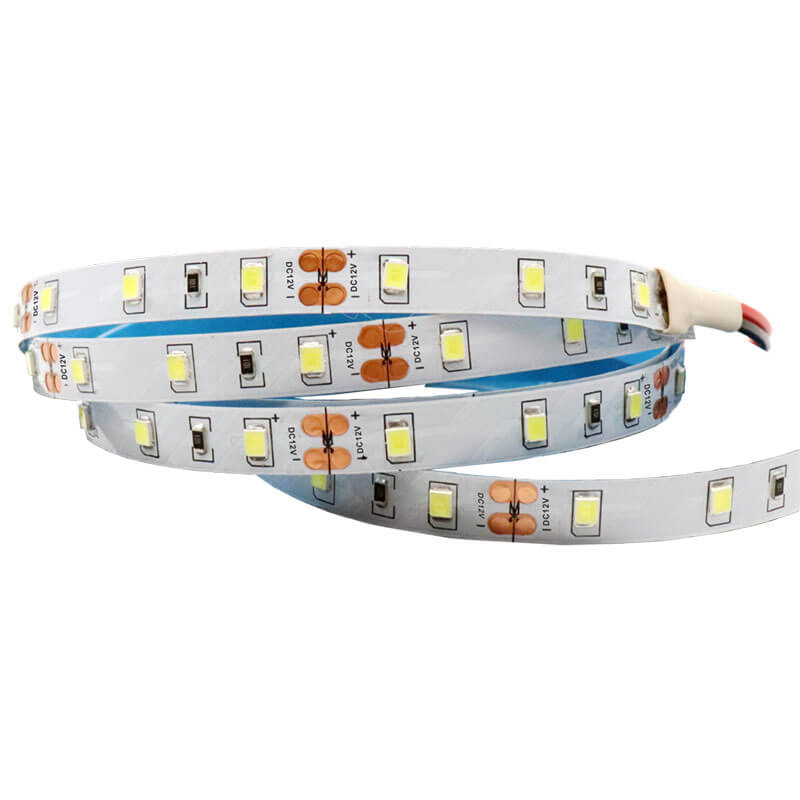 The proposed ordinance amendment would ban the use of rope lighting for commercial structures along the exterior of a structure, exterior or interior of a storefront, along the perimeter of any window or within 3 feet of the interior of any window.
All rope lighting, regardless of its time of installation, shall be deemed a violation of the city’s Land Development Code and be removed, if the Board approves the suggested ordinance change.
The aldermen are also considering another proposed change to the Land Development Code that would ban the use of corrugated plastic as a material for business signs. Signs would have to be constructed of metal, wood, glass, brick, ceramics, concrete or other materials approved by the Planning Department.
A public hearing will be held on the proposed changes during the Board’s regular meeting at 5 p.m. on Oct. 18 at City Hall.
The proposed ordinance amendment would ban the use of rope lighting for commercial structures along the exterior of a structure, exterior or interior of a storefront, along the perimeter of any window or within 3 feet of the interior of any window.
All rope lighting, regardless of its time of installation, shall be deemed a violation of the city’s Land Development Code and be removed, if the Board approves the suggested ordinance change.
The aldermen are also considering another proposed change to the Land Development Code that would ban the use of corrugated plastic as a material for business signs. Signs would have to be constructed of metal, wood, glass, brick, ceramics, concrete or other materials approved by the Planning Department.
A public hearing will be held on the proposed changes during the Board’s regular meeting at 5 p.m. on Oct. 18 at City Hall.
The proposed ordinance amendment would ban the use of rope lighting for commercial structures along the exterior of a structure, exterior or interior of a storefront, along the perimeter of any window or within 3 feet of the interior of any window.
All rope lighting, regardless of its time of installation, shall be deemed a violation of the city’s Land Development Code and be removed, if the Board approves the suggested ordinance change.
The aldermen are also considering another proposed change to the Land Development Code that would ban the use of corrugated plastic as a material for business signs. Signs would have to be constructed of metal, wood, glass, brick, ceramics, concrete or other materials approved by the Planning Department.
A public hearing will be held on the proposed changes during the Board’s regular meeting at 5 p.m. on Oct. 18 at City Hall.
Shadow Slaves: Art Exhibit Brings Slavery to Light
What does slavery look like? Somehow it’s both notorious and faceless. Sometimes it peeks out from bars or restaurants. Often it’s hidden in homes, brothels, and farms, then buried further in international supply chains. Child slaves—forced to haul heavy bricks at kilns in India and stones weighing as much as they do at rock quarries To get more news about Shadow Slave, you can visit innread.com official website.
Sometimes it peeks out from bars or restaurants. Often it’s hidden in homes, brothels, and farms, then buried further in international supply chains.
Child slaves—forced to haul heavy bricks at kilns in India and stones weighing as much as they do at rock quarries in Nepal, forced to mine gold and diamonds, and minerals that run our cell phone batteries, while covered in toxic dust—suffer in silence, sight unseen.Slaves in Brazil, making the black oily charcoal used to run smelters that make steel for our cars, are all but invisible. Slaves may pick the tomatoes or catch the tuna that fill grocery stores around the world. By the time slavery arrives as fruit in our produce sections, shrimp at our fish counters, and coffee in our cups, slaves have been completely disappeared. But no matter how obscured or forgotten, slavery is global—it travels, and it exists as suffering.
Artist Sandra Relyea has found a powerful, thoughtful way to bring slavery out of the shadows. Her latest exhibit comprises large works of clever silhouettes that play on the use of light and shadows themselves. Her shadow-shaped figures are meant to represent real people enslaved in the world today. The images, she explains, are “distorted and elongated the way a shadow cast by the real person would be.” Many pieces in the collection are based on photographs and films from Free the Slaves.
Relyea’s point is to show slavery exists everywhere in the world, including the United States, but, she says, “it is largely unseen and lies in the world of shadow: the world of exploitation, crime, and dehumanization.” Her images are evocative in their simplicity and staggering in their force. Each work can take up an entire wall, up to eight feet wide and 12 feet high.
The pieces loom yet remain calmly distant: slavery as both stark and shrouded. They are aggressive in their magnitude, and sense of action and movement—they demand you look. Yet they are also quiet and cool, restrained, reticent. The contrast of darkness and light—people defined by outlines yet disguised and indistinguishable—speaks of bondage and liberation both.
A striking, significant piece shows child slaves in Ghana fishing in a rickety boat, tossed on thick, vast waves. Relyea found it difficult at first to depict a shadow falling on water, but the final version is haunting in how much it seems to waver and pitch. “The ripples in the water signify the fact that these children are in peril,” she says. “They do not know how to swim.”In a piece with special significance to Relyea, two Nepalese children with stones strapped to their backs appear as little more than two tiny, fragile blocks, yet they are clearly holding hands. “The holding hands,” she says, “suggests to me the potential that lies in all children, which is denied them when they are not free.”
For more than two decades, Relyea was as a forensic child abuse examiner and often testified as an expert medical witness. As a physician’s assistant in Redding, Calif., where she has lived for more than 25 years, she has helped deliver health services, often from a mobile van, to local homeless, uninsured, and underserved people, many of them children. A long-time advocate for society’s exploited, underprivileged, and disenfranchised, Relyea draws motivation from the act of eliminating injustice.
Several years ago Relyea took an art class at a local college “just for fun”—she ended up discovering the perfect link between her professional advocacy work, which she describes as “cerebral and mostly left-brained,” and the strong font of personal creativity she needed to let flow.
One day she created a work of shadows with a window screen. “It occurred to me issues such as homelessness could be depicted with shadow forms,” Relyea says. She later realized the subject of modern slavery also lent itself perfectly to shadow works. She discovered the work of Free the Slaves when she began researching modern slavery in general, and how it could inform her art.Relyea named her latest shadow collection Demeter’s Children. In the Greek myth, Demeter’s daughter is kidnapped and held in bondage in the underworld, trapping the globe in desolate winter. Relyea intends her slaves-as-shadows portraits to increase public awareness and understanding of human trafficking and slavery.
The human shadow is a guiding philosophical concept, developed by Carl Jung, for Relyea. Jung’s theory goes that individuals have traits and tendencies that cause discomfort, vulnerability, and are therefore relegated to the subconscious where they can be denied or ignored. “We tend to project these shadow characteristics onto others, and [judge them] as wrong, undesirable,” Relyea explains. “This can lead to dislike, condemnation, blame, and even persecution.”
The artist believes slavery is, in a way, the disastrous manifestation of the shadows—the dark side—of humanity’s collective unconscious. Her work explores how slavery can arise from the repression of our own shadow selves, and be borne out in, and portrayed as, the brute oppression of others. The spectral figures in Demeter’s Children emerge to connect slavery to the world, to what we look at, and to ourselves. Even in shadows, Relyea’s work gives us slaves we can see.
Spindle screw pumps SEIM like a great idea
exclusive distributor of SEIM screw pumps throughout Africa – supplies and supports the full range of SEIM spindle screw pumps, flow meters and in-line relief valves.To get more news about screw pump, you can visit hw-screwpump.com official website.
“These robust pumps and related products – which are manufactured to stringent quality specifications in accordance with ISO 9001:2000 standards – are designed for dependable use in many sectors, including mining, power generation (wind and hydropower generation), petrochemical, oil and gas, paper, steel, automotive and marine industries,” said Joe Pinheiro, BMG’s National Product Manager, Pumps.
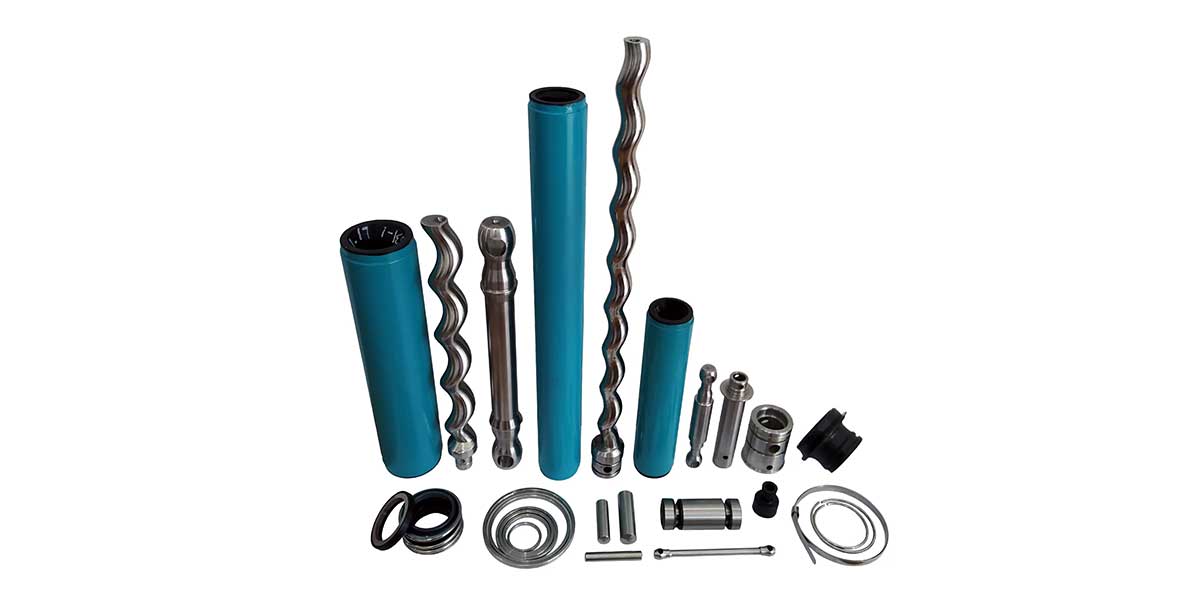 “Key advantages of SEIM pumps include low pulsation levels, reduced noise during operation and high self-priming capabilities. These pumps are able to handle high viscosities and ensure optimal performance, even with air entrapped in oil. The design of these low-maintenance units prevents the possibility of pollutants being released into the medium.”
BMG’s SEIM range encompasses three spindle screw pumps, for viscosities up to 100 000 cst, available with or without built-in relief valves and two spindle screw pumps, for viscosities up to 20 000 cst, available with or without gear drives.
SEIM pumps are also available in accordance with API 676 (latest edition). Flow meters are rated for 200 and 400 bar and in-line relief valves facilitate flows up to 10 000 L/min up to 100 bar. Pumps can also be customized to offer up to 20 000 L/min and up to 200 bar, depending on requirements.
Included in this portfolio, is a selection of pump models capable of handling a wide range of liquids at different flows and various pressures. SEIM pumps are designed to efficiently handle liquids that include various grades of mineral and synthetic oils, HFO and LFO fuel oils, diathermic oils and liquids with little or no lubricating properties, as well as liquids in the food industry and for cosmetics and soaps in the pharmaceutical sector.
BMG offers a technical advisory service to ensure selection of the most suitable pump size for every specific application. The company supports this range with a spares facility and 24 hour maintenance service through more than 100 BMG branches and a wide distribution network in South Africa and across borders into Zambia, DRC, Swaziland, Botswana, Mozambique, Namibia and Tanzania.
“Key advantages of SEIM pumps include low pulsation levels, reduced noise during operation and high self-priming capabilities. These pumps are able to handle high viscosities and ensure optimal performance, even with air entrapped in oil. The design of these low-maintenance units prevents the possibility of pollutants being released into the medium.”
BMG’s SEIM range encompasses three spindle screw pumps, for viscosities up to 100 000 cst, available with or without built-in relief valves and two spindle screw pumps, for viscosities up to 20 000 cst, available with or without gear drives.
SEIM pumps are also available in accordance with API 676 (latest edition). Flow meters are rated for 200 and 400 bar and in-line relief valves facilitate flows up to 10 000 L/min up to 100 bar. Pumps can also be customized to offer up to 20 000 L/min and up to 200 bar, depending on requirements.
Included in this portfolio, is a selection of pump models capable of handling a wide range of liquids at different flows and various pressures. SEIM pumps are designed to efficiently handle liquids that include various grades of mineral and synthetic oils, HFO and LFO fuel oils, diathermic oils and liquids with little or no lubricating properties, as well as liquids in the food industry and for cosmetics and soaps in the pharmaceutical sector.
BMG offers a technical advisory service to ensure selection of the most suitable pump size for every specific application. The company supports this range with a spares facility and 24 hour maintenance service through more than 100 BMG branches and a wide distribution network in South Africa and across borders into Zambia, DRC, Swaziland, Botswana, Mozambique, Namibia and Tanzania.
“Key advantages of SEIM pumps include low pulsation levels, reduced noise during operation and high self-priming capabilities. These pumps are able to handle high viscosities and ensure optimal performance, even with air entrapped in oil. The design of these low-maintenance units prevents the possibility of pollutants being released into the medium.”
BMG’s SEIM range encompasses three spindle screw pumps, for viscosities up to 100 000 cst, available with or without built-in relief valves and two spindle screw pumps, for viscosities up to 20 000 cst, available with or without gear drives.
SEIM pumps are also available in accordance with API 676 (latest edition). Flow meters are rated for 200 and 400 bar and in-line relief valves facilitate flows up to 10 000 L/min up to 100 bar. Pumps can also be customized to offer up to 20 000 L/min and up to 200 bar, depending on requirements.
Included in this portfolio, is a selection of pump models capable of handling a wide range of liquids at different flows and various pressures. SEIM pumps are designed to efficiently handle liquids that include various grades of mineral and synthetic oils, HFO and LFO fuel oils, diathermic oils and liquids with little or no lubricating properties, as well as liquids in the food industry and for cosmetics and soaps in the pharmaceutical sector.
BMG offers a technical advisory service to ensure selection of the most suitable pump size for every specific application. The company supports this range with a spares facility and 24 hour maintenance service through more than 100 BMG branches and a wide distribution network in South Africa and across borders into Zambia, DRC, Swaziland, Botswana, Mozambique, Namibia and Tanzania.
Ukrainian church ministers by sewing bulletproof vests for military
A Baptist leader in the war-torn country got the idea as he was praying about what could be done for the war effort, said Rob Jackson, director of the office of church health at the Alabama Baptist State Board of Missions and president of Romanian-American Mission.To get more news about bulletproof zone customer service, you can visit bulletproofboxs.com official website.
“So many people they know and love were being killed,” Jackson lamented. “There’s a shortage of equipment, and the military doesn’t have vests.”
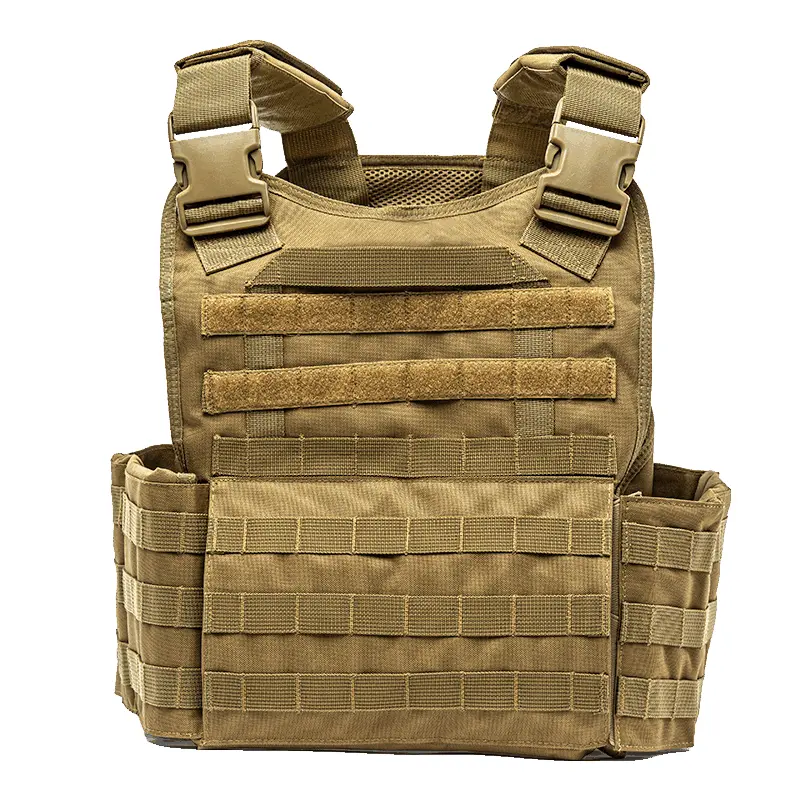 So church members who can sew began stitching vests together using fabric with NATO and Polish military camouflage patterns. So far they’ve made about 800 at a cost of $200 per vest.
Each vest includes a Gideon New Testament in the Ukrainian language in the front pocket.
Dependent on God
“The Ukrainian army will send the church a request for vests, and after the vests are given out, the army will send the church the name of the person who is wearing each vest so they can pray for them,” said Jackson, who met with church leaders during a trip to the country in early July.
The project is led by a man who ran a thriving florist business but felt compelled when the war started to step down from his job and focus on making the vests. He depends solely on God to provide the money he needs for living expenses.
While Jackson was there, he provided some funds donated by Spring Hill Baptist Church in Mobile.
“He cried and said, ‘This is an answer to prayer. I was out of money and every time I am, God provides,’” Jackson related.
The vests are one of a number of creative ways churches in Ukraine and surrounding countries have tried to preserve life and help the hurting. One church continues to meet in an unfinished building because it gave all its building fund money to care for refugees. Others have taken refugees into their churches and homes.
So church members who can sew began stitching vests together using fabric with NATO and Polish military camouflage patterns. So far they’ve made about 800 at a cost of $200 per vest.
Each vest includes a Gideon New Testament in the Ukrainian language in the front pocket.
Dependent on God
“The Ukrainian army will send the church a request for vests, and after the vests are given out, the army will send the church the name of the person who is wearing each vest so they can pray for them,” said Jackson, who met with church leaders during a trip to the country in early July.
The project is led by a man who ran a thriving florist business but felt compelled when the war started to step down from his job and focus on making the vests. He depends solely on God to provide the money he needs for living expenses.
While Jackson was there, he provided some funds donated by Spring Hill Baptist Church in Mobile.
“He cried and said, ‘This is an answer to prayer. I was out of money and every time I am, God provides,’” Jackson related.
The vests are one of a number of creative ways churches in Ukraine and surrounding countries have tried to preserve life and help the hurting. One church continues to meet in an unfinished building because it gave all its building fund money to care for refugees. Others have taken refugees into their churches and homes.
So church members who can sew began stitching vests together using fabric with NATO and Polish military camouflage patterns. So far they’ve made about 800 at a cost of $200 per vest.
Each vest includes a Gideon New Testament in the Ukrainian language in the front pocket.
Dependent on God
“The Ukrainian army will send the church a request for vests, and after the vests are given out, the army will send the church the name of the person who is wearing each vest so they can pray for them,” said Jackson, who met with church leaders during a trip to the country in early July.
The project is led by a man who ran a thriving florist business but felt compelled when the war started to step down from his job and focus on making the vests. He depends solely on God to provide the money he needs for living expenses.
While Jackson was there, he provided some funds donated by Spring Hill Baptist Church in Mobile.
“He cried and said, ‘This is an answer to prayer. I was out of money and every time I am, God provides,’” Jackson related.
The vests are one of a number of creative ways churches in Ukraine and surrounding countries have tried to preserve life and help the hurting. One church continues to meet in an unfinished building because it gave all its building fund money to care for refugees. Others have taken refugees into their churches and homes.
New progressive cavity pump KTE
The KIBER KTE are progressive cavity pumps with a hopper and a feeding screw, so they are used for viscous products, masses, pastes and liquids with solids in suspension.To get more news about progressive cavity pump, you can visit brysonpump.com official website.
Their main application is for transferring whole or destemmed grapes and the compact design allows to install them right under the destemming machine.
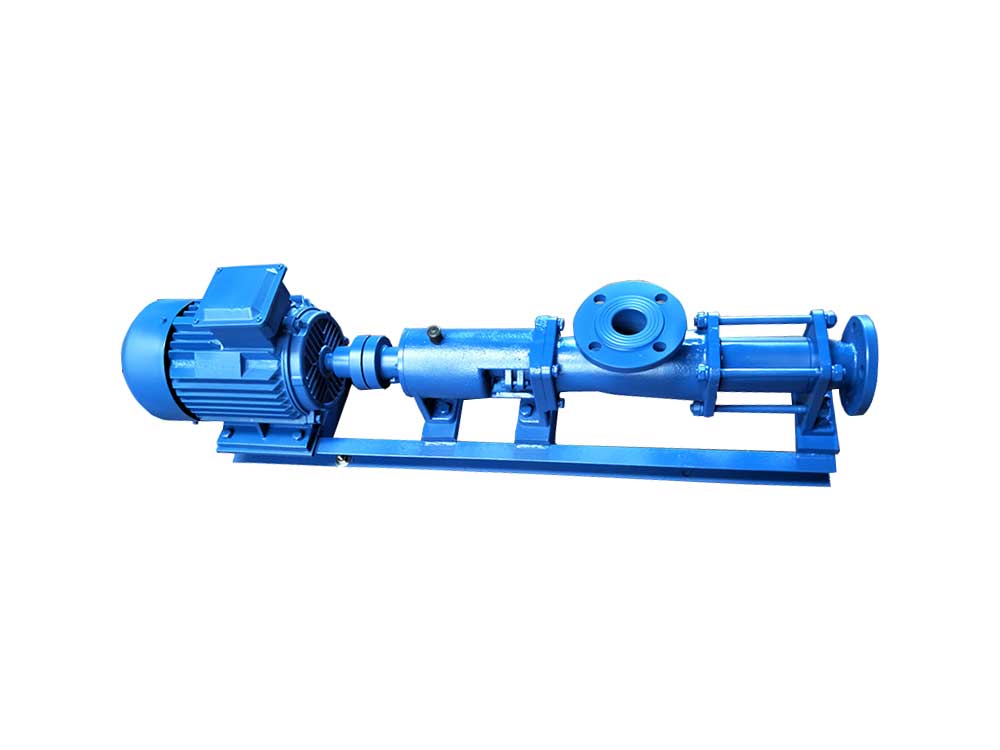 The feeding screws have a specific design, adapted to every pump size, in order to deliver a gentle passage of solids, according to flow.The hoppers have a safety grid, a drainage and a minimum level resistive sensor to stop the pump in the event there is not product inside, and therefore, to avoid the running on dry, that could damage the rubber of the stator and the mechanical seal.
The pumps are supplied on a stainless steel trolley with wheels with brake. Also, an ergonomic handle prepared to mount an electrical panel is included. Tailor-made electrical panels can be mounted, to cater for your individual needs.
The drive consists of a worm gearbox with flange, coupled to a standard three-phase electric motor according to IEC.
At World Biogas Expo, Vogelsang will also be advising on the processing of structurally rich biomass by means of mechanical disintegration. Long-fiber and coarse input materials such as straw, grass or manure can be processed with the DisRuptor from Vogelsang. This reduces the amount of internal energy required and at the same time increases the gas yield. Vogelsang will also be providing information on other systems from the pumping and shredding technology segments.
The feeding screws have a specific design, adapted to every pump size, in order to deliver a gentle passage of solids, according to flow.The hoppers have a safety grid, a drainage and a minimum level resistive sensor to stop the pump in the event there is not product inside, and therefore, to avoid the running on dry, that could damage the rubber of the stator and the mechanical seal.
The pumps are supplied on a stainless steel trolley with wheels with brake. Also, an ergonomic handle prepared to mount an electrical panel is included. Tailor-made electrical panels can be mounted, to cater for your individual needs.
The drive consists of a worm gearbox with flange, coupled to a standard three-phase electric motor according to IEC.
At World Biogas Expo, Vogelsang will also be advising on the processing of structurally rich biomass by means of mechanical disintegration. Long-fiber and coarse input materials such as straw, grass or manure can be processed with the DisRuptor from Vogelsang. This reduces the amount of internal energy required and at the same time increases the gas yield. Vogelsang will also be providing information on other systems from the pumping and shredding technology segments.
The feeding screws have a specific design, adapted to every pump size, in order to deliver a gentle passage of solids, according to flow.The hoppers have a safety grid, a drainage and a minimum level resistive sensor to stop the pump in the event there is not product inside, and therefore, to avoid the running on dry, that could damage the rubber of the stator and the mechanical seal.
The pumps are supplied on a stainless steel trolley with wheels with brake. Also, an ergonomic handle prepared to mount an electrical panel is included. Tailor-made electrical panels can be mounted, to cater for your individual needs.
The drive consists of a worm gearbox with flange, coupled to a standard three-phase electric motor according to IEC.
At World Biogas Expo, Vogelsang will also be advising on the processing of structurally rich biomass by means of mechanical disintegration. Long-fiber and coarse input materials such as straw, grass or manure can be processed with the DisRuptor from Vogelsang. This reduces the amount of internal energy required and at the same time increases the gas yield. Vogelsang will also be providing information on other systems from the pumping and shredding technology segments.
Vulnerability Allows Hackers to Unlock Smart Home Door Locks
A smart home is a vulnerable home. It is replete with interconnected IoT devices, many with their own known or unknown vulnerabilities and connected to the internet by a router that probably has the original, unchanged default password. Sometimes the connection is via a mobile phone app, often introducing a further weakness.To get more news about secure locks, you can visit securamsys.com official website.
At this stage in the evolution of smart homes, they have another characteristic: they are almost by definition the abode of wealthy or significant people. This makes the smart home a target for cybercriminals, and — potentially — a target for cyber-savvy physical burglars. The latter is not yet a major crime vector; but it is likely to grow.
 F-Secure’s latest discovery of a design flaw in a smart lock illustrates the dangers. The product is the KeyWe Smart Lock, a remote-controlled entry device primarily used in private dwellings. Users can open and close doors via an app on their mobile phones.
The flaw is not in the lock, but in the communication between the app and the lock. The lock itself is quite strong, including data encryption to prevent unauthorized parties from accessing system-critical information, such as the secret passphrase. Communication between the lock and the controlling app is not so secure. It uses Bluetooth Low Energy over WiFi, and although ostensibly encrypted, there is a flaw in its design: the common key does not change between executions, but it does change with the device address.
“This is a grave mistake!” writes F-Secure Consulting’s Krzysztof Marciniak in an associated blog. “As an in-house key exchange is used – with just two values involved – to decrypt all of the communication, one simply needs to intercept the transmission. The common key can then be easily calculated based on the device address.”
He says, “Unfortunately, “the lock’s design makes bypassing these mechanisms to eavesdrop on messages exchanged by the lock and app fairly easy for attackers — leaving it open to a relatively simple attack. There’s no way to mitigate this, so accessing homes protected by the lock is a safe bet for burglars able to replicate the hack. All attackers need is a little know-how, a device to help them capture traffic — which can be purchased from many consumer electronic stores for as little as $10 — and a bit of time to find the lock owners.”
A sniffing device could be hidden close to the door awaiting the return of the homeowner. The command communicated by the app to the lock could be captured and decrypted, and the attacker could enter the building next time it is vacant — or potentially worse, at night when the occupants are asleep.
At the personal level, the smart home would likely include an actual or metaphorical jewel box of valuables. At the corporate level, the smart homeowner is likely to be a senior executive accustomed to working from home on a computer with some form of connection to at least part of the enterprise network. The attacker now has physical access to this device.
“Security isn’t one size fits all,” explains Marciniak. “It needs to be tailored to account for the user, environment, threat model, and more. Doing this isn’t easy, but if IoT device vendors are going to ship products that can’t receive updates, it’s important to build these devices to be secure from the ground up.”
F-Secure reported the issue to the vendor, who has been responsive in communication with the researchers. “Unfortunately,” writes Marciniak, “no firmware upgrade functionality has been included and thus the issue will persist until the device is replaced. According to the vendor, new devices will contain a security fix. Moreover, the next version of the lock will have the firmware upgrade functionality — although no information is available regarding the release date.”
F-Secure’s latest discovery of a design flaw in a smart lock illustrates the dangers. The product is the KeyWe Smart Lock, a remote-controlled entry device primarily used in private dwellings. Users can open and close doors via an app on their mobile phones.
The flaw is not in the lock, but in the communication between the app and the lock. The lock itself is quite strong, including data encryption to prevent unauthorized parties from accessing system-critical information, such as the secret passphrase. Communication between the lock and the controlling app is not so secure. It uses Bluetooth Low Energy over WiFi, and although ostensibly encrypted, there is a flaw in its design: the common key does not change between executions, but it does change with the device address.
“This is a grave mistake!” writes F-Secure Consulting’s Krzysztof Marciniak in an associated blog. “As an in-house key exchange is used – with just two values involved – to decrypt all of the communication, one simply needs to intercept the transmission. The common key can then be easily calculated based on the device address.”
He says, “Unfortunately, “the lock’s design makes bypassing these mechanisms to eavesdrop on messages exchanged by the lock and app fairly easy for attackers — leaving it open to a relatively simple attack. There’s no way to mitigate this, so accessing homes protected by the lock is a safe bet for burglars able to replicate the hack. All attackers need is a little know-how, a device to help them capture traffic — which can be purchased from many consumer electronic stores for as little as $10 — and a bit of time to find the lock owners.”
A sniffing device could be hidden close to the door awaiting the return of the homeowner. The command communicated by the app to the lock could be captured and decrypted, and the attacker could enter the building next time it is vacant — or potentially worse, at night when the occupants are asleep.
At the personal level, the smart home would likely include an actual or metaphorical jewel box of valuables. At the corporate level, the smart homeowner is likely to be a senior executive accustomed to working from home on a computer with some form of connection to at least part of the enterprise network. The attacker now has physical access to this device.
“Security isn’t one size fits all,” explains Marciniak. “It needs to be tailored to account for the user, environment, threat model, and more. Doing this isn’t easy, but if IoT device vendors are going to ship products that can’t receive updates, it’s important to build these devices to be secure from the ground up.”
F-Secure reported the issue to the vendor, who has been responsive in communication with the researchers. “Unfortunately,” writes Marciniak, “no firmware upgrade functionality has been included and thus the issue will persist until the device is replaced. According to the vendor, new devices will contain a security fix. Moreover, the next version of the lock will have the firmware upgrade functionality — although no information is available regarding the release date.”
F-Secure’s latest discovery of a design flaw in a smart lock illustrates the dangers. The product is the KeyWe Smart Lock, a remote-controlled entry device primarily used in private dwellings. Users can open and close doors via an app on their mobile phones.
The flaw is not in the lock, but in the communication between the app and the lock. The lock itself is quite strong, including data encryption to prevent unauthorized parties from accessing system-critical information, such as the secret passphrase. Communication between the lock and the controlling app is not so secure. It uses Bluetooth Low Energy over WiFi, and although ostensibly encrypted, there is a flaw in its design: the common key does not change between executions, but it does change with the device address.
“This is a grave mistake!” writes F-Secure Consulting’s Krzysztof Marciniak in an associated blog. “As an in-house key exchange is used – with just two values involved – to decrypt all of the communication, one simply needs to intercept the transmission. The common key can then be easily calculated based on the device address.”
He says, “Unfortunately, “the lock’s design makes bypassing these mechanisms to eavesdrop on messages exchanged by the lock and app fairly easy for attackers — leaving it open to a relatively simple attack. There’s no way to mitigate this, so accessing homes protected by the lock is a safe bet for burglars able to replicate the hack. All attackers need is a little know-how, a device to help them capture traffic — which can be purchased from many consumer electronic stores for as little as $10 — and a bit of time to find the lock owners.”
A sniffing device could be hidden close to the door awaiting the return of the homeowner. The command communicated by the app to the lock could be captured and decrypted, and the attacker could enter the building next time it is vacant — or potentially worse, at night when the occupants are asleep.
At the personal level, the smart home would likely include an actual or metaphorical jewel box of valuables. At the corporate level, the smart homeowner is likely to be a senior executive accustomed to working from home on a computer with some form of connection to at least part of the enterprise network. The attacker now has physical access to this device.
“Security isn’t one size fits all,” explains Marciniak. “It needs to be tailored to account for the user, environment, threat model, and more. Doing this isn’t easy, but if IoT device vendors are going to ship products that can’t receive updates, it’s important to build these devices to be secure from the ground up.”
F-Secure reported the issue to the vendor, who has been responsive in communication with the researchers. “Unfortunately,” writes Marciniak, “no firmware upgrade functionality has been included and thus the issue will persist until the device is replaced. According to the vendor, new devices will contain a security fix. Moreover, the next version of the lock will have the firmware upgrade functionality — although no information is available regarding the release date.”
Best STEM Subscriptions for Kids
Many kids are easily fascinated by science, technology, engineering, and math (known as STEM), even if they don’t realize it in the classroom. Many children love creating their own science experiments, tinkering around with tools, building things, or understanding how something works. It’s important to foster their curiosity for exploration. Exposing children to hands-on, problem-based learning not only helps set them up for academic success, but it might just spark a lifelong passion as well.To get more news about Robot Subscription, you can visit glprobotics.com official website.
If you aren’t sure how to encourage your child’s exploration of STEM, a science, math, and technology-focused subscription box is a great start. Even if you aren’t tech-savvy, many of the best STEM subscriptions for kids come with easy-to-follow instructions and engaging activities that are both educational and fun. We did the research to help you find the best STEM subscription kits—these are the ones we recommend.
STEM subscription boxes can help spark kids’ curiosity in nature, science, and technology. KiwiCo’s wide variety of different crates available for various age groups and its flexible and affordable subscription packages made it our top pick. Each box comes with multiple age-appropriate hands-on activities that are so fun your kid will hardly notice they are learning too.
If your child is more interested in art, Beautiful Discovery might be a great way into STEM for them. Every box helps kids find the mathematical patterns in the flora and fauna we marvel at every day.
STEM stands for science, technology, engineering, and math. The concepts and skills taught in STEM education include problem-solving, critical thinking, design, reasoning, teamwork, and investigation skills.
What Are STEM Subscriptions?
A STEM subscription is a monthly delivery box that contains activities and educational materials that teach your child STEM concepts in a fun, engaging way to promote a love for learning, exploring, and experimenting. A few examples of what may come in a box include learning how to make a pyramid out of egg cartons, build a walking rainbow out of water and food coloring, dissect a flower, build a rain cloud in a jar, and sprout a seed, in addition to many other fun activities.
Why Is STEM Important to Teach to Children?
Studies show STEM education, especially in regard to math and science, helps children develop curiosity, critical thinking, communication, collaboration, persistence, problem-solving, and positive attitudes toward science and mathematics.1 STEM training in early childhood can even help boost your child’s literacy and language development.
What Is an Example of a STEM Activity?
STEM education can include a wide variety of activities, from building a volcano to practicing math by counting coins. Art concepts that teach the principles of symmetry and patterns can also be considered part of STEM or STEAM (with the A standing for art).
Methodology
We looked at more than 20 STEM subscription services for kids that cover different areas of interest and meet the needs of different age groups—from toddlers up to teens. We narrowed down our list to our top picks by checking reviews, ratings, price, and diversity of offerings. The subscriptions that made our list offer a broad range of boxes and features.

An application in Miracles (ACIM) is a spiritual text that has gained a following around the world since its initial publication in 1976. It is a self-study course load that aims to help individuals achieve an awareness of inner peace and connection to a higher power. In this article, we will explore the teachings of a Course in Miracles, how it will also help individuals, and how to begin with this spiritual practice.
What is a Course in Miracles?
An application in Miracles is a spiritual text that was published by psycho therapist Sally Schucman and was published in 1976. It is divided into three sections: the written text acim author, the Workbook for Students, and the Manual for Teachers. The book's teachings use the fact that we are all capable of experiencing inner peace and joy, and that we can accomplish that via a shift in our perception of the world around us.
The book teaches our thoughts create our reality and that our awareness are often clouded by ego-based beliefs and judgments. ACIM aims to help individuals identify these constraining beliefs and shift their perspective to a more loving and thoughtful view of the world.
Benefits of Studying An application in Miracles
Inner Peace: ACIM helps individuals achieve an awareness of inner peace and connection to a higher power.
Forgiveness: The teachings of ACIM emphasize benefit of forgiveness and letting go of past grievances, which can lead to a greater sense of peace and freedom.
Spiritual Growth: ACIM gives a framework for spiritual growth and understanding, helping individuals deepen their connection to their higher self and the universe.
Experience of Others: ACIM encourages individuals to see the interconnectedness of all beings and to grow a greater sense of love and concern for others.
Getting to grips with An application in Miracles
See the Text: Begin by reading the written text, which provides a theoretical framework for the teachings of ACIM.
Practice the Workbook: The Workbook for Students provides daily lessons and exercises to help individuals apply the teachings of ACIM in their daily lives.
Join a survey Group: Joining a survey group or finding a mentor who has experience with ACIM are a good idea in understanding the teachings and receiving support in your practice.
Stay Committed: ACIM is a lifelong practice, and it is important to stay committed to the teachings and to regularly apply them in your daily life.
Conclusions
An application in Miracles offers a unique and powerful approach to spiritual growth and inner peace. Its teachings provide a practical and accessible path for folks to shift their perception of the world around them and to grow a deeper experience of their higher self and the universe. If you are seeking a way to greater peace and understanding, An application in Miracles will probably be worth exploring.
The transportation of corpses from one country to another is a delicate and complex process that requires specialized knowledge, equipment, and procedures. In Italy, this process is regulated by a set of laws and regulations that aim to ensure the respect of the deceased and the safety of the public and the environment.
The first step in the transportation of a corpse from Italy is to obtain a death certificate and a burial permit. These documents are issued by the municipality where the death occurred and are necessary for the transportation of the body. The death certificate must be translated into the language of the destination country, and it must be authenticated by the Italian Ministry of Foreign Affairs.
Once the necessary documents are obtained, the corpse can be transported to the airport or the port of departure. The transportation can be done by a funeral home, a specialized transport company, or the family members of the deceased. The transportation vehicle must be approved by the local authorities and must comply with the regulations on the transportation of hazardous materials.
Before the transportation, the corpse must be embalmed or refrigerated to prevent decomposition and the spread of diseases. The embalming process is performed by a licensed embalmer and involves the injection of a preservative solution into the arteries of the body. The process takes about two hours and must be done within 24 hours of death.
If the transportation is by air, the corpse must be placed in a hermetically sealed coffin that complies with the International Air Transport Association (IATA) regulations on the transportation of human remains. The coffin must be labeled with a special tag that indicates the contents and the destination of the shipment. The shipment must also be accompanied by the necessary documentation, including the death certificate, the burial permit, and the translation of the documents.
If the transportation is by sea, the corpse must be placed in a metal or wooden coffin that complies with the International Maritime Organization (IMO) regulations on the transportation of human remains. The coffin must be labeled with a special tag that indicates the contents and the destination of the shipment. The shipment must also be accompanied by the necessary documentation, including the death certificate, the burial permit, and the translation of the documents.
Once the corpse arrives at the destination, it must be cleared by the local customs and health authorities. The clearance process involves the inspection of the shipment and the verification of the documentation. The family members of the deceased or the receiving funeral home must be present at the customs clearance and must provide the necessary documents, including the death certificate, the burial permit, and the translation of the documents.
After the clearance, the corpse can be transported to the final destination, which can be a funeral home, a cemetery, or a crematorium. The transportation can be done by a funeral home, a specialized transport company, or the family members of the deceased. The transportation vehicle must comply with the local regulations on the transportation of hazardous materials and must be approved by the local authorities.
In conclusion, the transportation of corpses from Italy is a complex and regulated process that requires specialized knowledge, equipment, and procedures transport zwłok z włoch. The respect of the deceased, the safety of the public, and the environment are the main priorities of the process. The cooperation between the local authorities, the transport companies, and the family members of the deceased is crucial for the success of the process.
The practice of importing corpses is a topic that raises many ethical, legal, and cultural questions. The importation of corpses is not a new phenomenon and has been practiced in various cultures and contexts for centuries. The reasons behind importing a corpse can vary from personal, cultural, religious, or medical reasons.
One of the most common reasons for importing a corpse is to repatriate the remains of a loved one who has passed away while living abroad. It is a common practice for families to bring their loved ones back to their home country for burial. This may be due to cultural or religious beliefs, a desire to be close to their loved ones, or a need to fulfill the wishes of the deceased. In many cases, the process of importing a corpse can be a complicated and expensive process, involving complex legal and administrative procedures, such as obtaining permits and complying with transportation regulations.
Another reason for importing a corpse is for medical purposes. Medical researchers and students may require corpses for anatomical studies and research, and may import them from other countries where the bodies are more easily accessible. In some cases, individuals may also choose to donate their bodies to science for medical research and education purposes.
The importation of corpses can also be seen in religious contexts. For example, some religious traditions require that the deceased be buried in a specific location or in the presence of specific people, and may require the importation of a corpse from another location to fulfill these requirements.
While the importation of corpses is a common practice, it is not without controversy. One of the main concerns is the potential risks associated with the importation of corpses, particularly in the case of infectious diseases. Imported corpses may pose a risk to public health, as they can carry infectious diseases that can spread rapidly. It is therefore essential that proper precautions are taken when importing corpses, including adhering to strict transportation regulations and conducting thorough medical screenings to ensure that the corpses are free from any infectious diseases.
Another concern is the ethical implications of importing corpses, particularly in the case of medical research. The use of corpses for medical research has been a controversial issue for many years, with some arguing that the use of corpses for research purposes is disrespectful and violates the dignity of the deceased. Others argue that the use of corpses for medical research is an important aspect of medical education and research, and that the benefits of such research outweigh any ethical concerns.
There are also legal considerations when it comes to importing corpses. Each country has its own regulations and requirements when it comes to the importation of corpses, and failure to comply with these regulations can result in serious legal consequences. It is therefore essential that those who are considering importing a corpse seek legal advice and guidance to ensure that they comply with all relevant regulations.
In conclusion, the importation of corpses is a complex and sensitive issue that requires careful consideration and planning. While there may be many reasons for importing a corpse sprowadzenie zwłok z zagranicy, it is essential that proper precautions are taken to ensure that the process is carried out safely and ethically. This includes complying with transportation regulations, conducting thorough medical screenings, and seeking legal advice to ensure that all relevant regulations are followed. By doing so, individuals and families can ensure that the process of importing a corpse is carried out with respect and dignity, and that any potential risks are minimized.