Water Testing: Why It Matters for Safe, Clean, and Healthy Water from SEO BY AMANDA's blog
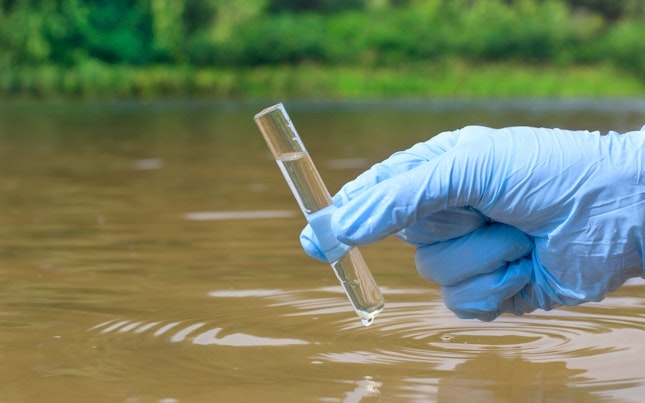
Water is one of the most essential resources for life, yet many people assume that the water flowing from their taps is always safe. While municipal water systems undergo regular treatment, contaminants can still enter the supply through aging pipes, environmental pollution, or private wells. This is why Water Testing plays a vital role in protecting your health, ensuring water quality, and maintaining compliance with safety standards.
What Is Water Testing?Water Testing is the process of analyzing water samples to identify physical, chemical, and biological characteristics. It helps determine whether water is safe for drinking, cooking, bathing, industrial use, or agricultural applications.
Professional laboratories use advanced equipment to detect contaminants that are invisible to the naked eye, providing accurate results and recommendations for treatment if necessary.
Why Water Testing Is ImportantRegular water testing offers numerous benefits, including:
- Protecting the health of your family or employees
- Identifying harmful bacteria and viruses
- Detecting heavy metals such as lead and arsenic
- Monitoring pH levels and water hardness
- Ensuring compliance with local regulations
- Improving the taste and odor of drinking water
- Extending the lifespan of plumbing fixtures and appliances
Without regular testing, harmful contaminants can remain undetected for long periods Water Testing.
Common Contaminants Found in WaterWater can contain a variety of contaminants depending on its source. Some of the most common include:
BacteriaMicroorganisms such as E. coli and coliform bacteria can indicate contamination from sewage or animal waste.
Heavy MetalsLead, mercury, cadmium, and arsenic may enter water through old plumbing or industrial pollution.
NitratesOften found in agricultural areas, nitrates can be dangerous for infants and young children.
ChlorineAlthough used for disinfection, excessive chlorine can affect the taste and smell of water.
Hard Water MineralsHigh levels of calcium and magnesium cause scaling in pipes, boilers, and household appliances.
Pesticides and ChemicalsAgricultural runoff and industrial waste can introduce harmful chemicals into groundwater.
Types of Water TestingDifferent tests are designed to evaluate specific aspects of water quality.
Drinking Water TestingChecks whether water is safe for human consumption by identifying bacteria, chemicals, and heavy metals.
Well Water TestingPrivate wells should be tested regularly because they are not monitored by public authorities.
Commercial Water TestingBusinesses such as restaurants, hotels, healthcare facilities, and manufacturing plants require routine water quality monitoring.
Industrial Water TestingIndustries test water used in production processes to ensure equipment efficiency and regulatory compliance.
Environmental Water TestingLakes, rivers, reservoirs, and groundwater sources are monitored to assess pollution levels and ecosystem health.
Signs You Should Test Your WaterConsider scheduling a water test if you notice:
- Unpleasant taste or odor
- Cloudy or discolored water
- Staining on sinks or laundry
- Scale buildup on faucets
- Frequent plumbing problems
- Gastrointestinal illnesses with no obvious cause
- Recent flooding or nearby construction
These signs may indicate underlying water quality issues.
How Water Testing WorksThe water testing process typically includes:
- Collecting a water sample using sterile containers.
- Transporting the sample to a certified laboratory.
- Performing chemical, biological, and physical analyses.
- Comparing results against established safety standards.
- Providing a detailed report with recommendations.
The entire process may take anywhere from 24 hours to several days, depending on the tests required.
How Often Should Water Be Tested?Testing frequency depends on the water source.
- Private wells: At least once a year
- Municipal water: Every one to two years or if concerns arise
- Commercial facilities: According to industry regulations
- Industrial operations: As required by environmental compliance standards
Additional testing is recommended after flooding, plumbing repairs, or changes in water taste or appearance.
Benefits of Professional Water TestingHiring professionals provides several advantages:
- Highly accurate laboratory analysis
- Certified testing procedures
- Comprehensive contamination reports
- Expert recommendations for treatment systems
- Compliance with health and environmental regulations
- Peace of mind regarding water safety
Professional testing is often more reliable than basic home testing kits.
Water Treatment After TestingIf contaminants are detected, treatment options may include:
- Reverse osmosis systems
- Activated carbon filtration
- UV water purification
- Water softeners
- Iron and manganese removal systems
- Whole-house filtration units
The appropriate solution depends on the specific contaminants identified during testing.
Choosing a Water Testing ServiceWhen selecting a provider, consider:
- Laboratory accreditation
- Industry experience
- Comprehensive testing packages
- Transparent pricing
- Fast turnaround times
- Detailed reporting
- Excellent customer reviews
A reputable water testing company will explain the results clearly and recommend suitable solutions without unnecessary upselling.
ConclusionWater Testing is an essential step toward ensuring safe, clean, and reliable water for homes, businesses, and industrial facilities. Regular testing helps identify hidden contaminants before they become serious health or infrastructure problems. Whether you rely on municipal water or a private well, investing in professional water testing provides confidence that your water meets quality standards and supports the health of everyone who depends on it.
Post
| By | SEO BY AMANDA |
| Added | Jul 4 |
Rate
Archives
- All
- October 2026
- September 2026
- August 2026
- July 2026
- June 2026
- May 2026
- April 2026
- March 2026
- January 2026
- December 2025
- November 2025
- October 2025
- September 2025
- August 2025
- July 2025
- June 2025
- May 2025
- April 2025
- March 2025
- February 2025
- January 2025
- December 2024
- November 2024
- October 2024
- September 2024
- August 2024
- July 2024
- June 2024
- May 2024
- April 2024
- March 2024
- February 2024
- January 2024
- December 2023
- November 2023
- September 2023
- August 2023
- July 2023
- June 2023
- May 2023
- April 2023
- March 2023
- February 2023
- January 2023
- December 2022
- November 2022
- October 2022
- September 2022
- August 2022
- July 2022
- June 2022
- April 2022
- March 2022
The Wall