Shed Bases: A Complete Guide to Choosing the Right Foundation for Your Shed from SEO BY AMANDA's blog
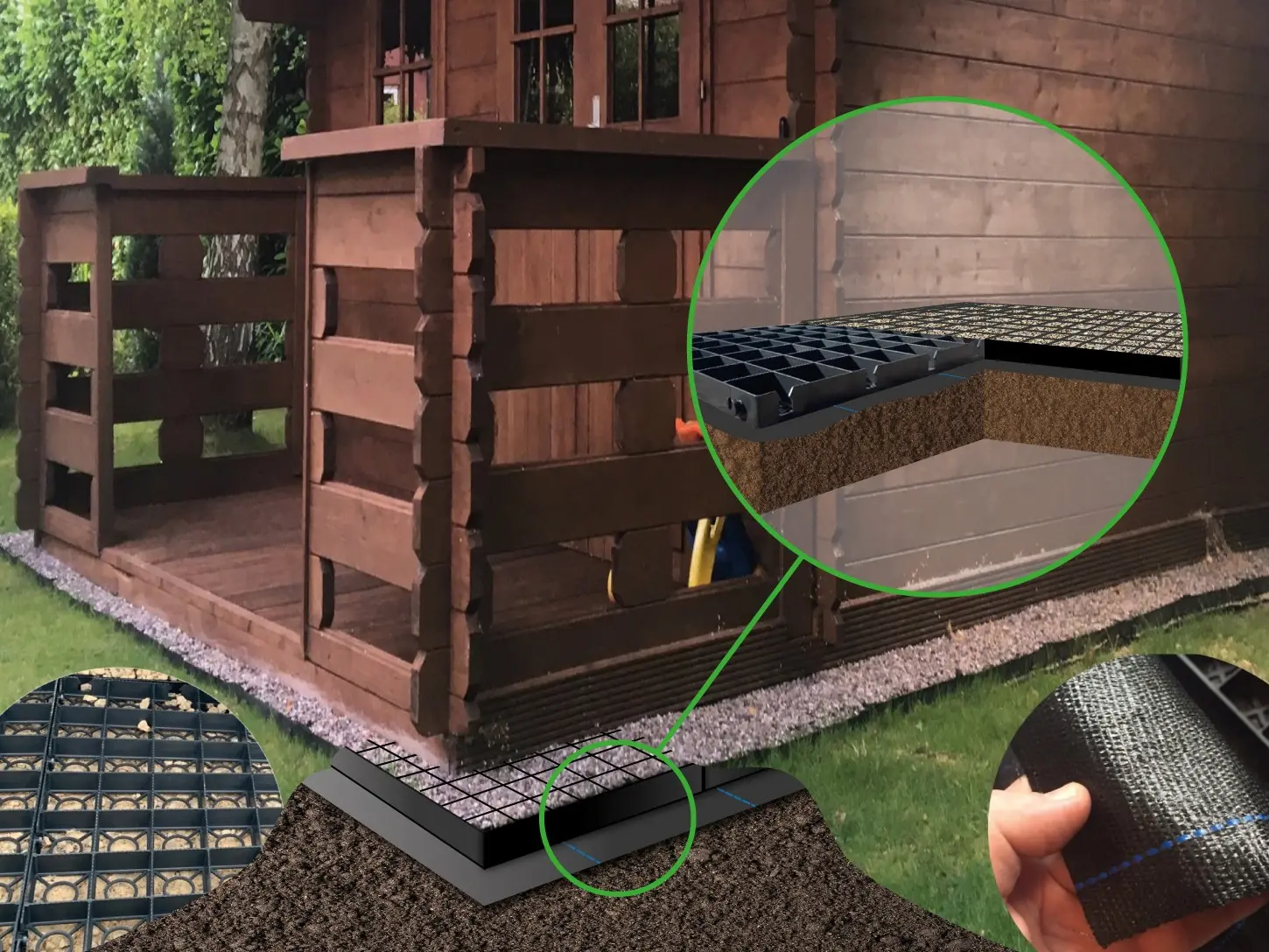
A shed is only as strong and durable as the base it sits on. Whether you’re installing a small garden storage unit or a large workshop, shed bases play a crucial role in stability, longevity, and protection against moisture and ground movement. Choosing the right base can prevent structural damage, reduce maintenance, and extend the life of your shed for many years.
This guide explains what shed bases are, why they matter, and the most common types you can use for different needs.
What Are Shed Bases?A shed base is the foundation layer placed between the ground and the shed structure. It provides a level, stable surface that supports the weight of the shed and keeps it elevated from direct soil contact.
Without a proper base, sheds can suffer from:
- Uneven settling
- Rotting wooden floors
- Water damage from rain or flooding
- Warping or structural instability
In short, a shed base ensures your shed remains strong, level, and weather-resistant.
Why Shed Bases Are ImportantMany people underestimate the importance of a proper foundation. However, a well-built shed base offers several benefits:
1. Stability and StrengthA level base prevents shifting and movement, especially during heavy rain or wind.
2. Moisture ProtectionRaising the shed off the ground helps avoid dampness, mold, and rot.
3. Longer LifespanA stable foundation reduces structural stress, helping your shed last significantly longer.
4. Easier InstallationA pre-leveled base makes shed assembly quicker and more accurate.
Common Types of Shed BasesThere are several types of shed bases, each suited to different budgets, soil conditions, and shed sizes.
1. Concrete Shed BaseOne of the most durable and popular options.
Advantages:
- Extremely strong and long-lasting
- Ideal for heavy sheds or workshops
- Low maintenance
Disadvantages:
- Time-consuming installation
- Higher cost
- Requires proper curing time
Best for: Permanent structures and large sheds
2. Paving Slab BaseA practical and widely used option for garden sheds.
Advantages:
- Affordable and easy to install
- Good drainage if spaced correctly
- Easy to replace individual slabs
Disadvantages:
- May shift over time if not properly prepared
- Less strong than concrete
Best for: Medium-sized garden sheds
3. Timber Frame BaseA raised wooden structure often used for temporary or lightweight sheds Shed Bases.
Advantages:
- Quick to build
- Good airflow underneath
- Works well on uneven ground
Disadvantages:
- Can rot without treatment
- Not suitable for very heavy sheds
Best for: Small to medium wooden sheds
4. Plastic Shed Base Grid SystemsModern modular systems made from recycled plastic.
Advantages:
- Lightweight and easy to install
- Excellent drainage
- Environmentally friendly
Disadvantages:
- More expensive than slabs in some cases
- Requires level ground preparation
Best for: DIY installations and modern garden setups
How to Choose the Right Shed BaseWhen selecting a shed base, consider the following factors:
Shed Size and WeightHeavier sheds need stronger foundations like concrete or reinforced slabs.
Ground ConditionsSoft, uneven, or wet soil may require raised or reinforced systems.
BudgetConcrete is durable but expensive; gravel or slabs are more cost-effective.
Purpose of the ShedStorage sheds can use simpler bases, while workshops need stronger foundations.
Installation Tips for Shed Bases- Always clear and level the ground before starting
- Use a spirit level to ensure accuracy
- Add a weed membrane to prevent plant growth
- Ensure proper drainage to avoid water pooling
- Measure carefully to match shed dimensions exactly
- Skipping ground preparation
- Building on soft or muddy soil
- Ignoring drainage issues
- Using an undersized base
- Not checking level at multiple stages
Shed bases are the foundation of a reliable, long-lasting outdoor structure. Whether you choose concrete, paving slabs, timber, or plastic grid systems, the right base ensures your shed remains stable, dry, and secure for years.
Investing time and effort into the correct base is just as important as choosing the shed itself—it’s the difference between a structure that lasts decades and one that fails within a few seasons.
Post
| By | SEO BY AMANDA |
| Added | Jun 6 |
Rate
Archives
- All
- October 2026
- September 2026
- August 2026
- July 2026
- June 2026
- May 2026
- April 2026
- March 2026
- January 2026
- December 2025
- November 2025
- October 2025
- September 2025
- August 2025
- July 2025
- June 2025
- May 2025
- April 2025
- March 2025
- February 2025
- January 2025
- December 2024
- November 2024
- October 2024
- September 2024
- August 2024
- July 2024
- June 2024
- May 2024
- April 2024
- March 2024
- February 2024
- January 2024
- December 2023
- November 2023
- September 2023
- August 2023
- July 2023
- June 2023
- May 2023
- April 2023
- March 2023
- February 2023
- January 2023
- December 2022
- November 2022
- October 2022
- September 2022
- August 2022
- July 2022
- June 2022
- April 2022
- March 2022
The Wall