Driveway Grids: A Practical Solution for Stronger, Greener, and More Durable Driveways from SEO BY AMANDA's blog
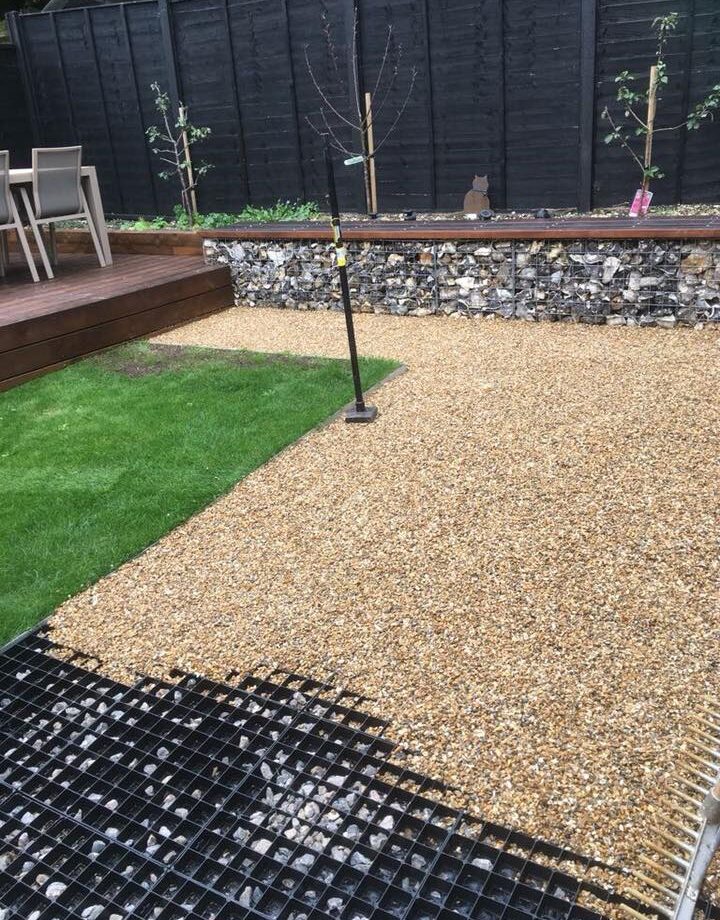
Driveway grids are an increasingly popular ground reinforcement system used to create stable, permeable surfaces for driveways, parking areas, garden paths, and even light-access roads. They offer a modern alternative to traditional concrete or asphalt by combining strength with drainage and environmental benefits.
What Are Driveway Grids?Driveway grids are modular panels made from high-strength plastic, recycled materials, or occasionally concrete. These panels feature a honeycomb or lattice structure that is filled with gravel, soil, or grass seed depending on the intended use.
Once installed, the grid system distributes weight evenly across the surface, preventing sinking, rutting, or displacement of the filling material.
How Driveway Grids WorkThe main principle behind driveway grids is load distribution. When vehicles drive or park on the surface, the grid spreads the pressure horizontally rather than allowing it to concentrate in one point. This reduces ground deformation and keeps the surface stable over time.
If filled with gravel, the grid locks the stones in place. If filled with soil and grass, it allows vegetation to grow while still supporting vehicle traffic.
Types of Driveway GridsThere are several common types of driveway grids:
- Plastic driveway grids: Lightweight, easy to install, and often made from recycled plastic. These are the most common choice for residential use.
- Concrete grids: Extremely durable and suitable for heavy-duty or commercial applications.
- Grass reinforcement grids: Designed specifically to support turf growth while handling light to medium vehicle loads Driveway Grids.
Driveway grids offer several advantages over traditional paving methods:
1. Improved Drainage
The open structure allows rainwater to pass directly into the ground, reducing runoff and minimizing flooding risks.
2. Eco-Friendly Design
Many grids are made from recycled materials and support natural water absorption, helping replenish groundwater.
3. Reduced Erosion and Rutting
By stabilizing the ground, grids prevent soil erosion and the formation of deep tire ruts.
4. Aesthetic Flexibility
They can be filled with gravel for a clean modern look or planted with grass for a natural, green finish.
5. Lower Long-Term Maintenance
Compared to asphalt or concrete, driveway grids require less repair and are less prone to cracking.
6. Cost-Effective Installation
In many cases, they require less base preparation than traditional paving systems, reducing upfront labor costs.
Driveway grids are used in a variety of settings:
- Residential driveways
- Garden pathways
- Overflow parking areas
- Caravan and RV parking pads
- Fire lanes and emergency access routes
- Equestrian and farm tracks
Installing driveway grids typically involves the following steps:
- Ground preparation: The area is excavated and leveled.
- Base layer installation: A compacted sub-base of gravel is added for stability.
- Grid placement: Panels are laid and connected together.
- Filling: The grids are filled with gravel or soil/grass mixture.
- Compaction: The surface is lightly compacted to lock everything in place.
Proper installation is key to ensuring long-term durability and performance.
Maintenance RequirementsOne of the biggest advantages of driveway grids is low maintenance. Gravel-filled systems may need occasional topping up, while grass-filled grids require standard lawn care such as mowing and watering. Periodic inspection helps ensure the base remains stable and free of uneven settling.
ConclusionDriveway grids offer a smart balance between durability, sustainability, and visual appeal. Whether used for a residential driveway or a commercial parking area, they provide a stable surface that reduces environmental impact while maintaining long-term performance. As demand for eco-friendly construction solutions grows, driveway grids are becoming an increasingly preferred choice for modern landscaping and infrastructure projects.
Post
| By | SEO BY AMANDA |
| Added | Jun 6 |
Rate
Archives
- All
- October 2026
- September 2026
- August 2026
- July 2026
- June 2026
- May 2026
- April 2026
- March 2026
- January 2026
- December 2025
- November 2025
- October 2025
- September 2025
- August 2025
- July 2025
- June 2025
- May 2025
- April 2025
- March 2025
- February 2025
- January 2025
- December 2024
- November 2024
- October 2024
- September 2024
- August 2024
- July 2024
- June 2024
- May 2024
- April 2024
- March 2024
- February 2024
- January 2024
- December 2023
- November 2023
- September 2023
- August 2023
- July 2023
- June 2023
- May 2023
- April 2023
- March 2023
- February 2023
- January 2023
- December 2022
- November 2022
- October 2022
- September 2022
- August 2022
- July 2022
- June 2022
- April 2022
- March 2022
The Wall