Fair Isle Knitting: The Timeless Art of Color and Pattern from SEO BY AMANDA's blog
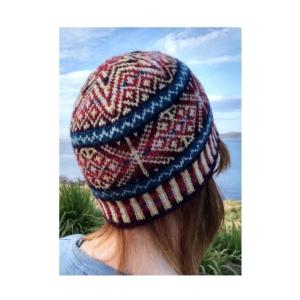
Knitting has long been celebrated as both a craft and an art form, but few techniques are as iconic as Fair Isle knitting. Known for its colorful, intricate patterns, this traditional style originates from Fair Isle, one of the Shetland Islands in Scotland. Today, Fair Isle knitting is admired worldwide, blending heritage, creativity, and craftsmanship into every stitch.
What Is Fair Isle Knitting?Fair Isle knitting is a traditional stranded colorwork technique that uses two or more colors of yarn to create geometric patterns. Unlike other forms of colorwork, Fair Isle typically limits each row to just two colors, carrying one color behind the work while knitting with the other. This creates a beautiful, woven effect that is warm, durable, and visually striking.
The History of Fair Isle KnittingThe technique takes its name from Fair Isle, a small island in the Shetland archipelago, where local knitters developed these colorful designs centuries ago. While its exact origins remain uncertain, Fair Isle knitting gained international recognition in the early 20th century when the Prince of Wales (later Edward VIII) famously wore a Fair Isle sweater in public. Since then, the style has become synonymous with traditional Scottish knitwear.
Key Features of Fair Isle KnittingGeometric Patterns
Traditional motifs include crosses, stars, diamonds, and waves arranged in repeating bands.Limited Color Palette
Authentic Fair Isle knitting often uses a palette of muted, natural tones inspired by the Shetland landscape—though modern knitters experiment with bold, contemporary hues.Stranded Technique
Only two colors are worked per row, with unused yarn “floated” along the back of the fabric.Warm and Durable
The double layer of yarn created by floats makes garments warmer and sturdier, perfect for cold climates Fair Isle Knitting.
Sweaters & Jumpers – The classic Fair Isle sweater is instantly recognizable.
Hats & Beanies – Smaller projects perfect for learning the technique.
Scarves & Cowls – Long, colorful patterns that showcase repeating motifs.
Gloves & Mittens – Warm accessories featuring intricate designs.
Home Décor – Blankets, cushion covers, and wall hangings with traditional motifs.
Start Small – Begin with accessories like hats or wrist warmers before tackling larger projects.
Mind Your Floats – Keep yarn floats loose enough to avoid puckering but tight enough to maintain even tension.
Use Stitch Markers – Helpful for keeping track of pattern repeats.
Practice Color Dominance – One color should consistently run above or below the other for a crisp design.
Choose Contrasting Colors – Ensure enough contrast between yarns so the patterns stand out clearly.
Heritage & Tradition – Wearing or making Fair Isle garments connects knitters to Scottish history.
Creativity – Endless possibilities for combining colors and motifs.
Practicality – The technique produces warm, durable fabrics perfect for colder weather.
Fashion Appeal – Fair Isle sweaters remain stylish winter staples, appearing in both luxury and everyday fashion collections.
Fair Isle knitting is much more than a technique—it’s a living tradition that has stood the test of time. Whether you’re a beginner learning the basics or a seasoned knitter exploring complex motifs, Fair Isle offers endless opportunities for creativity while celebrating a rich cultural heritage. From cozy sweaters to decorative accessories, this iconic style continues to inspire knitters and fashion lovers alike across the world.
Post
| By | SEO BY AMANDA |
| Added | Sep 8 '25 |
Rate
Archives
- All
- September 2026
- August 2026
- July 2026
- June 2026
- May 2026
- April 2026
- March 2026
- January 2026
- December 2025
- November 2025
- October 2025
- September 2025
- August 2025
- July 2025
- June 2025
- May 2025
- April 2025
- March 2025
- February 2025
- January 2025
- December 2024
- November 2024
- October 2024
- September 2024
- August 2024
- July 2024
- June 2024
- May 2024
- April 2024
- March 2024
- February 2024
- January 2024
- December 2023
- November 2023
- September 2023
- August 2023
- July 2023
- June 2023
- May 2023
- April 2023
- March 2023
- February 2023
- January 2023
- December 2022
- November 2022
- October 2022
- September 2022
- August 2022
- July 2022
- June 2022
- April 2022
- March 2022
The Wall